Custom Inlays and Onlays for Lasting Tooth Restoration
When a tooth has more damage than a filling can fix but doesn't need a full crown, inlays and onlays Dubuque patients trust can offer a strong middle ground. These custom-made restorations repair decay or damage while keeping as much of your natural tooth as possible. At Iowa Dental of Dubuque, we accept insurance and welcome new patients of all ages who want a lasting way to protect their smile. If you think an inlay or onlay might be right for you.
.svg)
.svg)


What Are Inlays and Onlays?
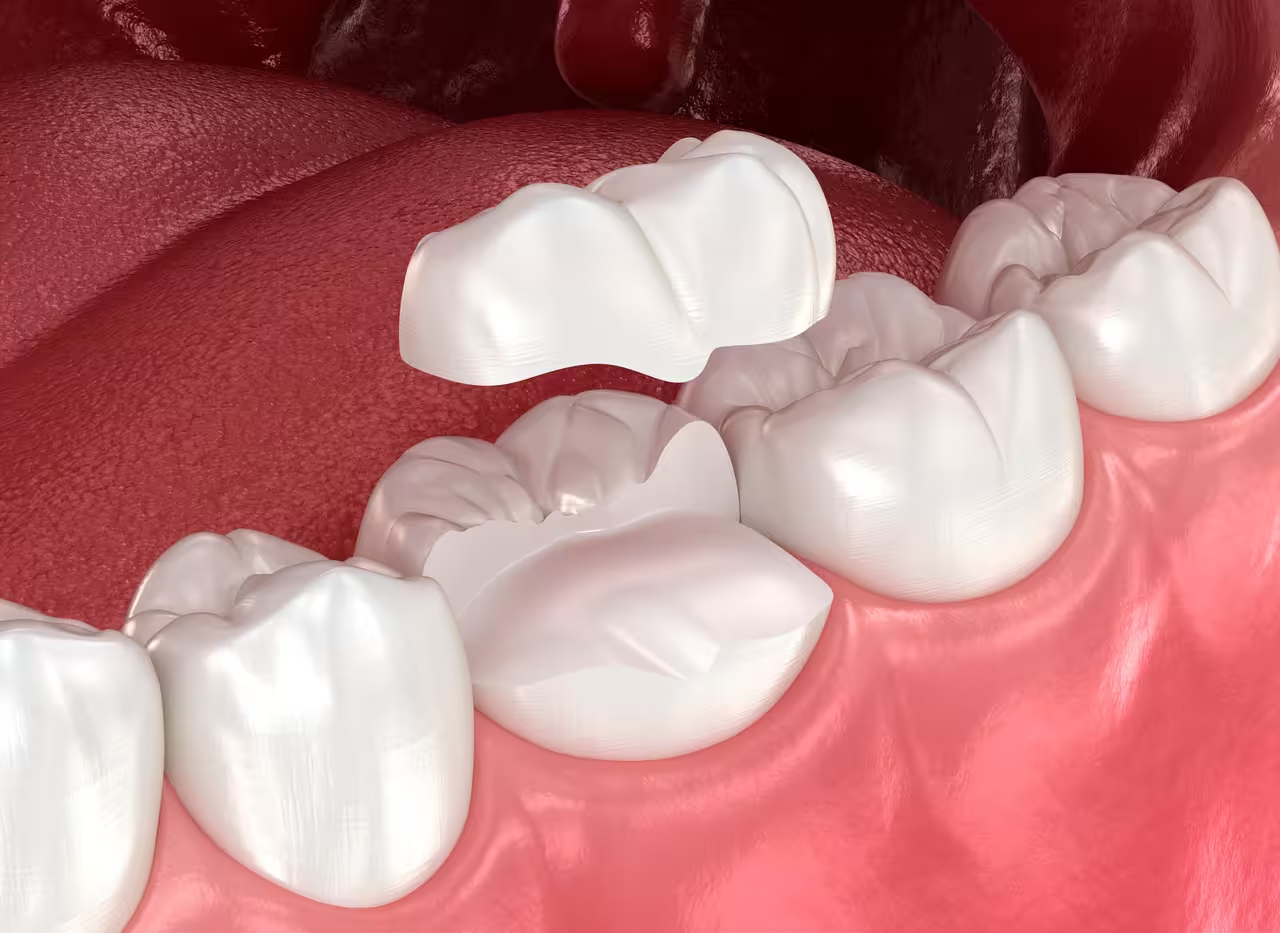
Inlays and onlays are custom-made restorations that repair a tooth after decay or damage, without removing as much healthy tooth as a crown would need. An inlay fits inside the grooves on the top of a tooth. An onlay covers one or more of the tooth's points, called cusps. Both are made from tooth-colored material and bonded in place, so they blend in with your smile. This type of tooth restoration Dubuque patients ask about often works well when a cavity is too large for a filling, but the tooth still has enough healthy structure to avoid a crown.
Benefits of Inlays and Onlays
- Keep more of your natural tooth compared to a crown
- Made to match the color of your natural teeth, so they blend in
- Built to handle everyday chewing and hold up well over time
- Custom-fitted for a comfortable, natural bite
- A durable option when a filling isn't enough, but a crown isn't needed yet
Inlays and Onlays vs. Fillings: Which Is Right for You?
Both fillings and inlays or onlays repair damaged teeth, but they work best in different situations. The table below breaks down the differences to help you and your dentist decide together.
Comparison Table
If your cavity is small, a filling may be all you need. If the damage is more extensive but a full crown feels like more than necessary, an inlay or onlay may be the better fit.
What to Expect During Treatment
Getting an inlay or onlay is a straightforward process. First, we remove the decayed or damaged part of the tooth and take an impression or digital scan. That scan is used to create your custom restoration, often at a dental lab. While it's being made, we place a temporary covering to protect your tooth. At your next visit, we check the fit, make any small adjustments, and bond the finished piece permanently in place. Most patients feel little to no discomfort, and any soreness afterward is usually mild and short-lived.
Who Needs Inlays or Onlays
Inlays and onlays can help patients of many ages who have a cavity or an old filling that has broken down, but who don't need a full crown yet. They're also a good option if you want to avoid removing more tooth structure than necessary. If decay has progressed further or a tooth has significant structural damage, crowns and bridges or even dental implants may be a better long-term fit. Our team can help you figure out which option makes sense for your situation as part of our restorative and implant dentistry services.
Frequently Asked Questions
Question text goes here
Answer text goes here
How long do inlays and onlays last?
With good care, inlays and onlays can last many years, often a decade or more. Their lifespan depends on the material used, your bite, and how well you keep up with brushing, flossing, and regular checkups.
Are inlays and onlays covered by insurance?
Many dental insurance plans cover part of the cost of inlays and onlays, especially when they're needed to repair decay or damage. Coverage varies by plan, so it helps to check your benefits. Visit our insurance and financing page for more details, or ask our team to help you understand your options.
What happens if damaged teeth go untreated?
Left untreated, a damaged or decayed tooth can weaken further, leading to more pain, infection, or the need for more involved treatment like a root canal or extraction. Addressing damage early with an inlay, onlay, or filling helps protect the tooth and can save you time and discomfort down the road.